

Jade Black
24 hours ago


Ink & Aether Studios
4 days ago


Ink & Aether Studios
6 days ago


The Lightner Museum is beautiful in the way only wealth can afford to be.
From the moment you step inside, it overwhelms politely. Ceilings stretch upward, ornate and confident. Staircases curve with the assurance of money that has never been told no. Even the air feels curated, as if it knows it’s supposed to smell faintly of polish and history and importance.
I found myself looking up a lot. At the ceilings. At the chandeliers. At the sheer audacity of it all.
Then I looked closer.
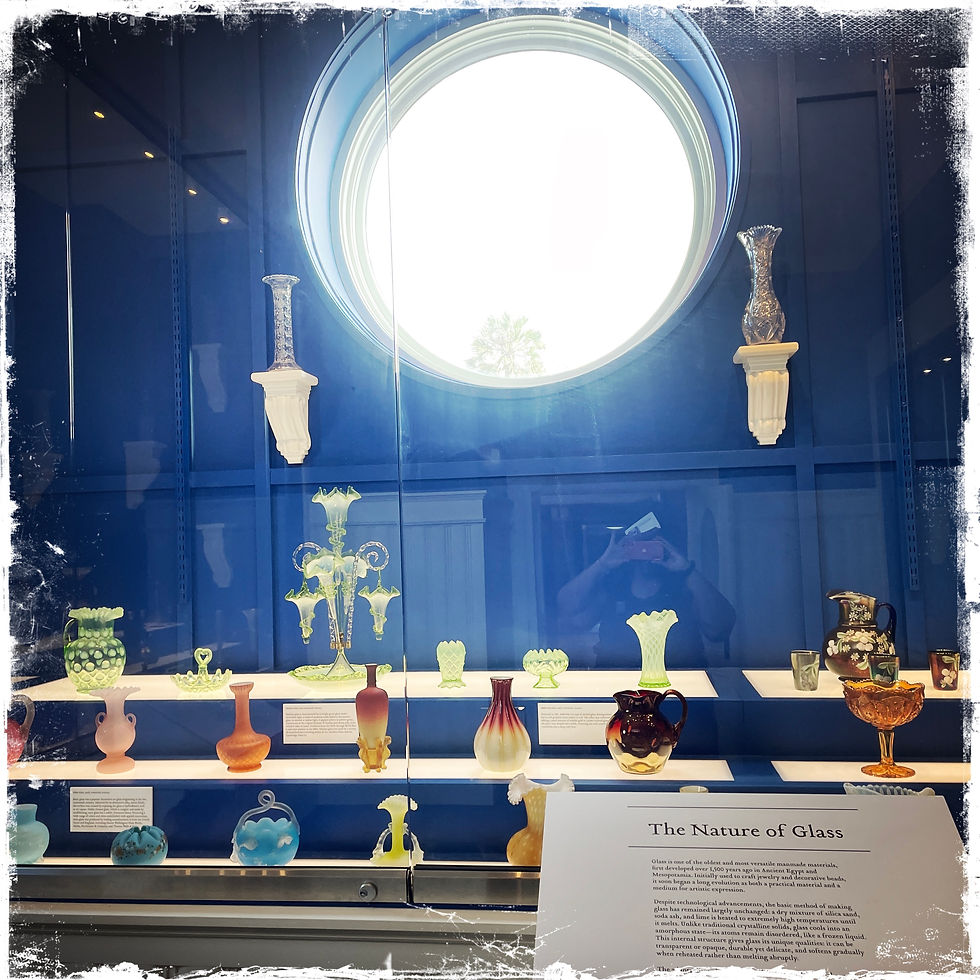
There’s a Tiffany glass exhibit set against a blue wall, light passing through color like it’s been given permission to be extravagant. It’s stunning. Genuinely. The kind of beautiful that makes you pause mid-step, the way you do when something is too lovely to rush.
And yet, even there, surrounded by glass meant to be admired, I felt the edge of something else. Not joy. Not awe. Possession.
The Lightner isn’t just about preserving beauty. It’s about keeping it.
Room after room, object after object, the question begins to hum softly in the background: At what point does preservation become hoarding? When does collecting tip from reverence into obsession?
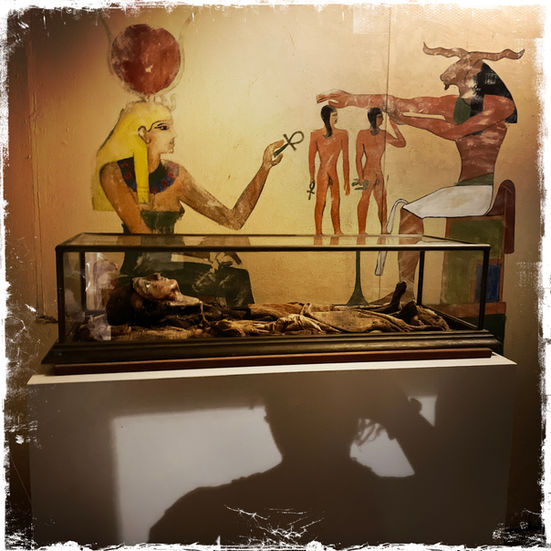
Then there’s the mummy.

An actual Egyptian mummy. Real. Human. Once alive, once loved, now resting under museum lighting because someone, somewhere, decided this body belonged in a collection. Donated, yes. Properly displayed, sure. But still… taken. Transported. Framed.
I stood there longer than I expected to, trying to reconcile the educational plaque with the weight in my chest. There is something deeply unsettling about calling a person an artifact. About placing a human being behind glass and labeling it history.
And just when I thought my discomfort had peaked, I turned a corner and met Winston Churchill’s lion.
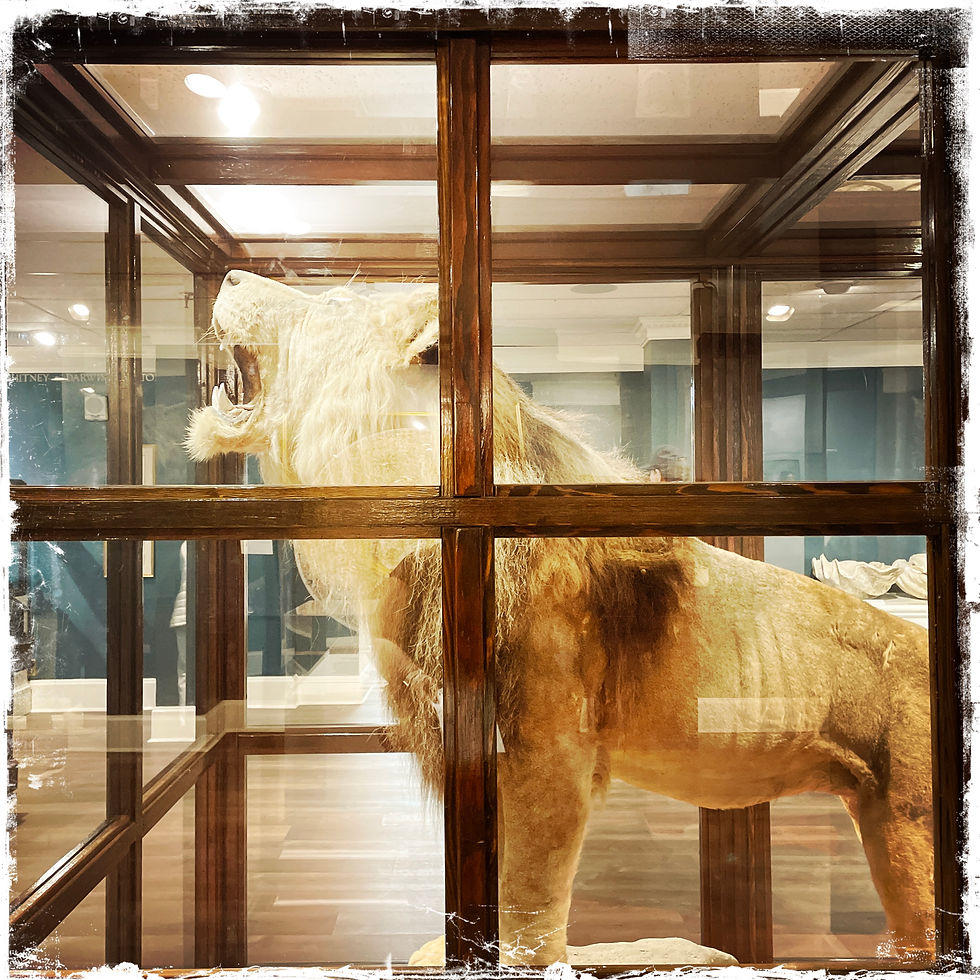
A taxidermied lion. Majestic, frozen mid-presence, carrying the strange gravity of empire and spectacle and conquest. It’s an object that demands attention, not just because of what it is, but because of who owned it. Power preserved. Dominance immortalized.
It’s not subtle.
The Lightner Museum excels at this kind of quiet excess. Beauty stacked upon beauty. History layered until it almost collapses under its own weight. Each object impeccably lit, carefully contextualized, stripped of the messiness that made it real.
That’s the unsettling part.
Museums like this tell us what deserves to be remembered beautifully. They polish certain narratives until they gleam while others fade into the background, unnamed and unlit. The absence becomes as loud as the displays themselves.
Walking those halls, I kept wondering about the stories that didn’t make the cut. The lives that weren’t wealthy enough, powerful enough, or convenient enough to be preserved. The cultures remembered only through objects, not voices.
The Lightner is not doing anything wrong. That’s what makes it fascinating. And troubling. It is doing exactly what institutions like this have always done: curating history through the lens of access and affluence.
It is breathtaking. It is impressive. It is deeply uncomfortable.
And maybe it should be.
Because beneath the chandeliers and glass and grandeur, the museum leaves you with a question that lingers long after you step back into the Florida sun:
Who gets remembered beautifully… and who gets remembered at all?
The Lightner keeps everything it can. What it cannot keep quietly disappears.
Stories Across Realms











Comments