

Jade Black
24 hours ago


Ink & Aether Studios
4 days ago


Ink & Aether Studios
6 days ago


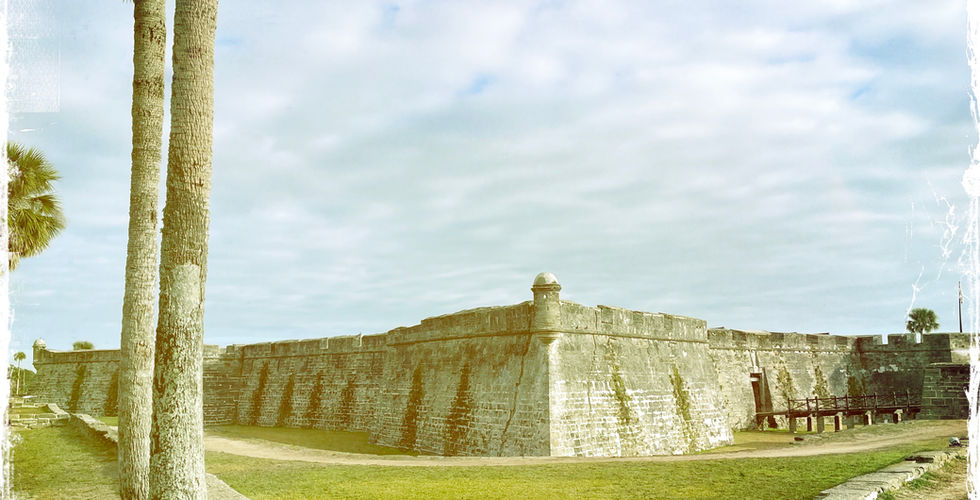
The walls of Castillo de San Marcos do not shimmer.
They loom.

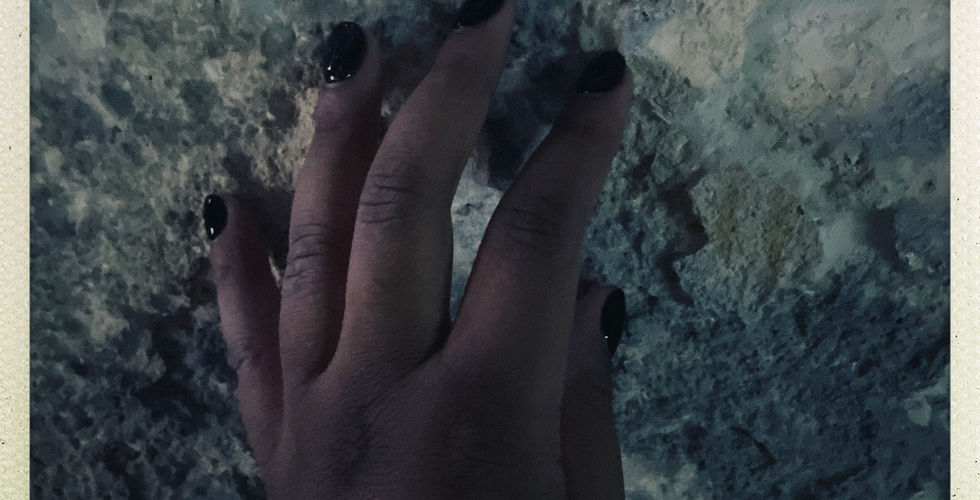
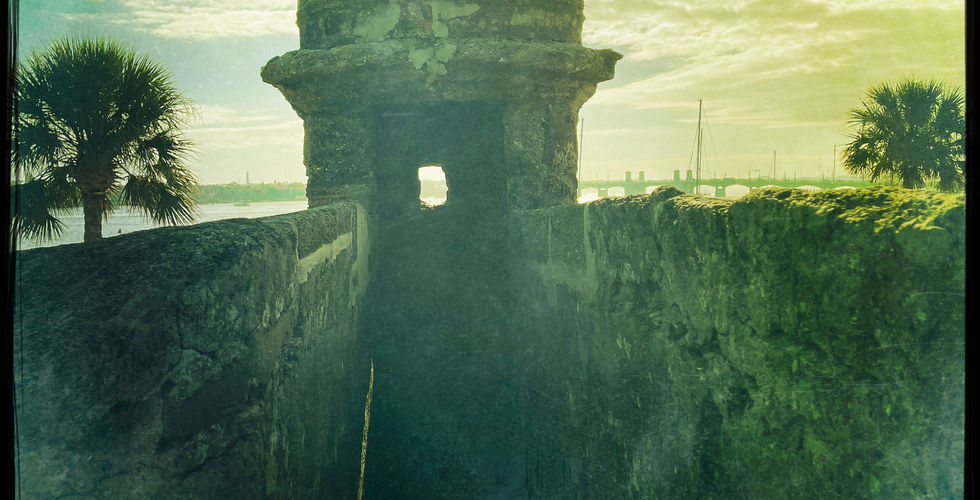
Up close, the stone tells on itself. Coquina, made of compressed shells, thousands upon thousands of tiny lives pressed together into something meant to last. If you lean in, really lean in, you can see them. Fragments. Spirals. Ghosts of what used to be ocean, now stacked into a fortress.
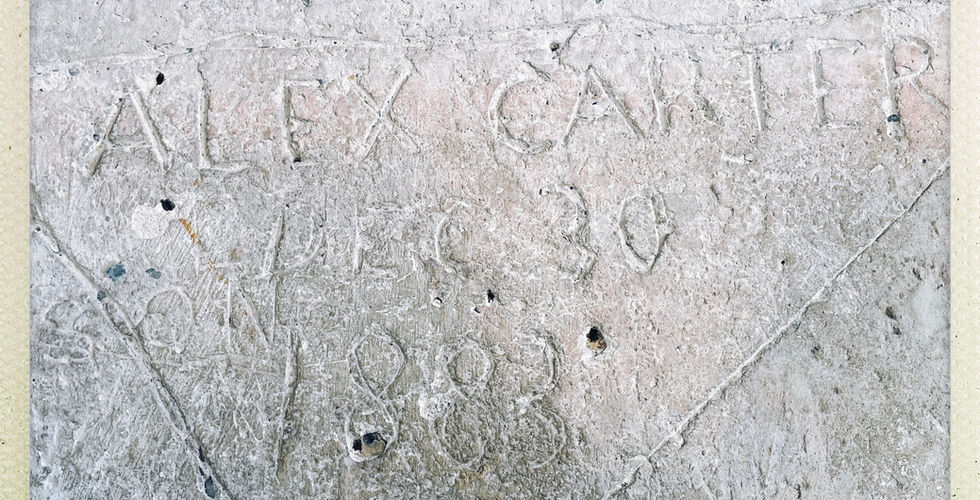
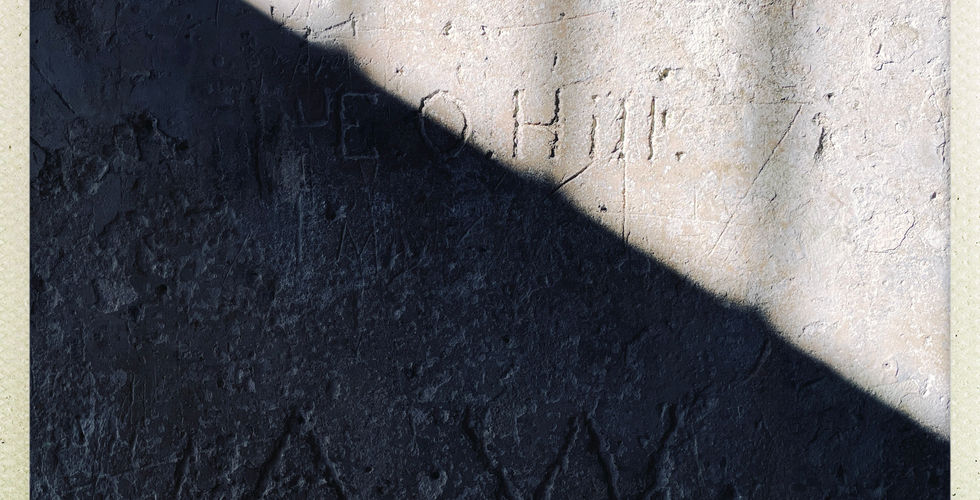
There’s old graffiti scratched into the walls too. Names. Marks. Proof that people needed to say I was here even when the place itself was already shouting.
This fort has survived sieges, wars, flags changing hands like coats. Cannons still line the ramparts, frozen mid-threat, aimed at a sky that no longer answers them. Against the blue, they look almost theatrical. From a distance, you could mistake them for props.
Inside, there is nothing theatrical about the silence.
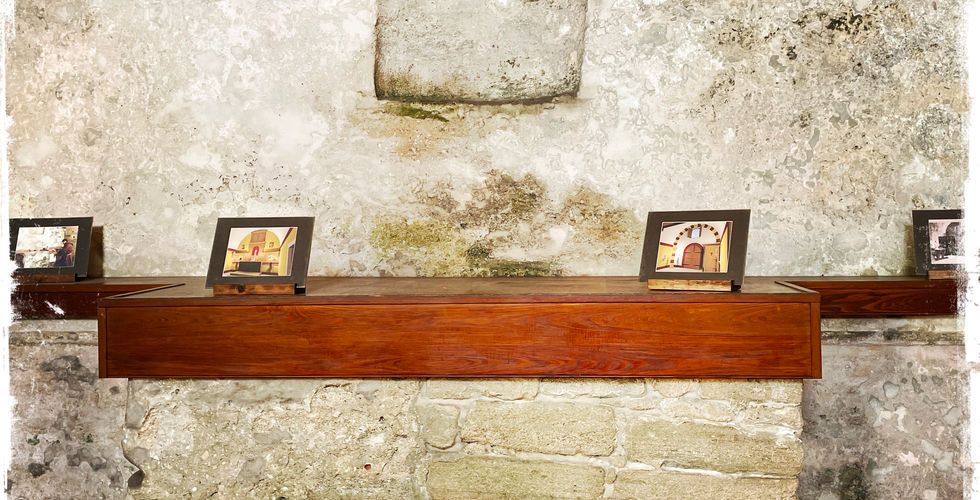
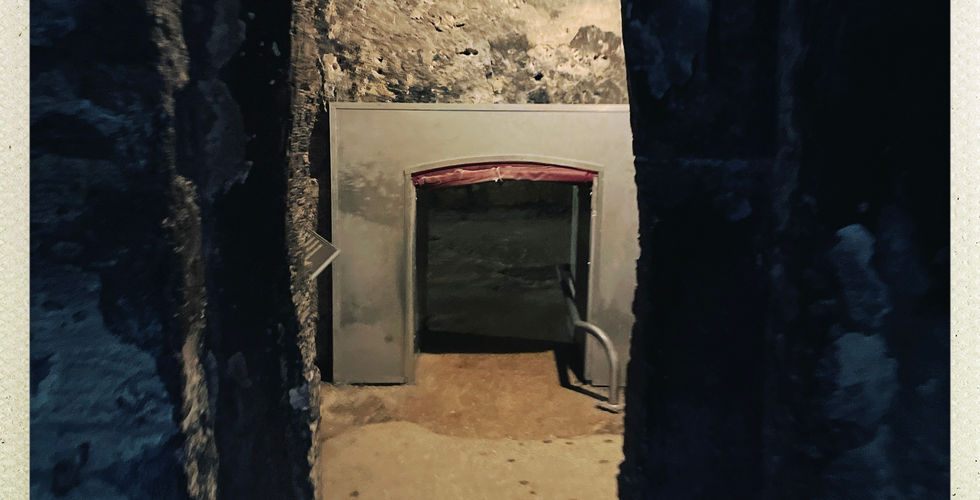
The interior rooms swallow sound. Shadows gather in corners and refuse to leave. The air feels heavier, like it remembers when screams were more common than footsteps. I found myself lowering my voice without meaning to, as if the fort itself had asked for quiet.
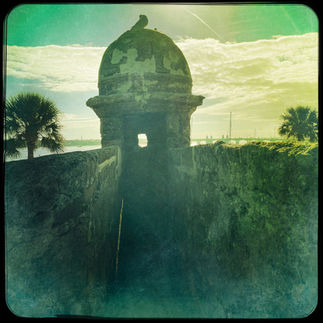
What struck me most were the windows.
They’re tiny. Narrow. More suggestion than opening. From one lookout, you see the waterway stretching outward, bright and open, freedom glinting just beyond reach. From the opposite window, you see inward. Stone. Walls. The geometry of containment.
Two views. Same structure. Entirely different truths.
Castillo de San Marcos was built for protection. That’s the story etched into brochures and history books. A shield against invasion. A symbol of power and permanence.
But protection is a matter of perspective.
For some, these walls meant safety. For others, they meant imprisonment. The same stone that kept enemies out also kept people in. The fort didn’t change. The meaning did.
That’s the part that lingers.
Violence ends. Battles stop. But silence stays. It settles into the walls, into the mortar, into the spaces where people once waited and wondered how long forever was going to last.
Standing there, I kept thinking about how power decides which version of the story gets told. Who gets to call a place a refuge. Who remembers it as a cage. History loves clean narratives, but buildings like this refuse to cooperate.
They hold everything.
The cannons. The graffiti. The shells crushed into stone. The quiet that comes after.
Castillo de San Marcos doesn’t ask you to choose a side. It simply stands there, massive and unmoving, reminding you that structures are neutral only on paper. In practice, they inherit the intentions of those who wield them.
Safety, control, survival, fear. All housed within the same walls.
Pure stone. Endless silence. And the uncomfortable truth that protection and captivity are sometimes built from the exact same materials.
Vale & Stone would feel very at home here.
I’m not sure I ever could.
Stories Across Realms

































Comments